
Repositioning J&J through experiential retail
Environmental graphics, spatial storytelling, and a proof-of-concept prototype.
CLIENT
Johnson & Johnson
Sector
Health & Wellness
ROLE
Brand Designer, Environmental Graphic Designer (EGD)
Creative services
Spatial Design (retail, trade, signage) Event, Marketing Campaign
TEAM
JOHNSON&JOHNSON Marketing Team, Berlin & IDEO, Brand Strategy Team
INSIGHT
Repositioning KY Jelly for the European market required moving beyond its U.S.-centric brand associations to resonate with more diverse and inclusive audiences.
CHALLENGE
The challenge was to reposition KY Jelly for new audiences in Berlin—shifting perceptions from a traditionally U.S.-focused wellness product to a culturally relevant, inclusive experience within a European retail environment.
Key constraints
Designed for high-traffic retail visibility and fast comprehension
Developed for stakeholder alignment across marketing + strategy teams
Built for internal production handoff and repeatable rollout
OPPORTUNITY
This project created an opportunity to modernize how J&J communicates wellness in a physical retail context through:
Building a clear messaging hierarchy that makes product benefits easier to understand
Creating spatial brand moments that feel engaging, premium, and human
Using prototyping to align stakeholders and validate the experience early
OUTCOME
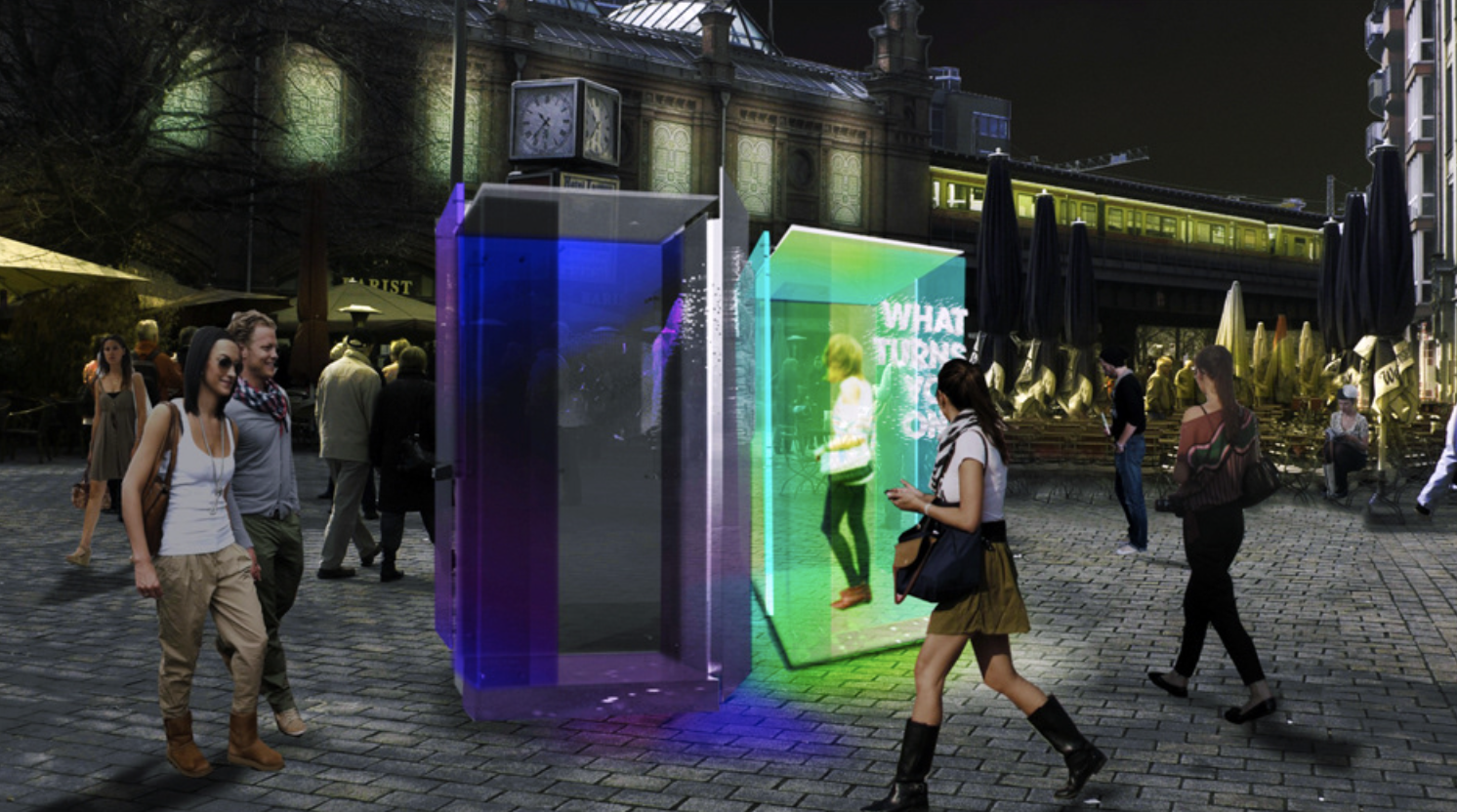
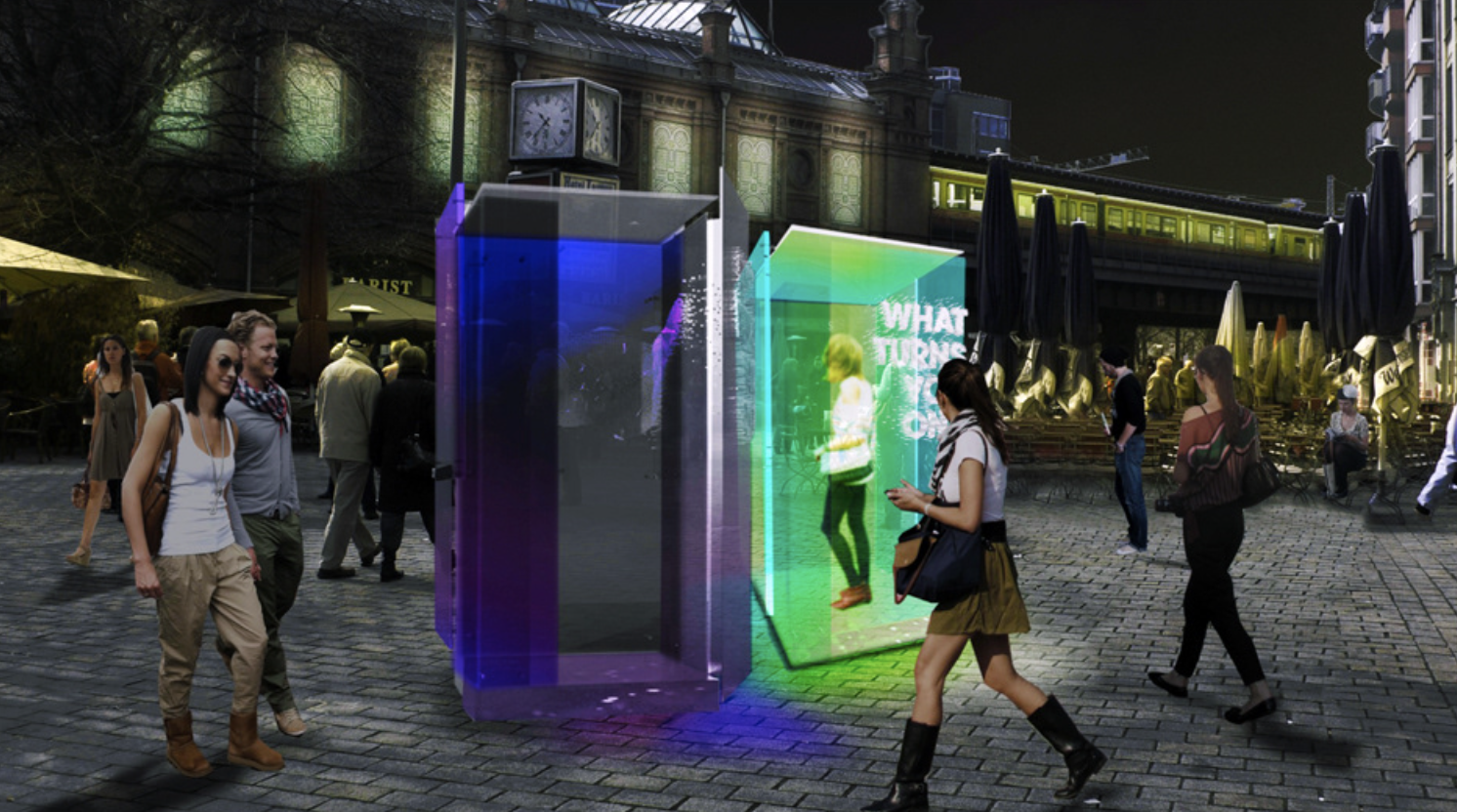
I contributed to the design of an immersive experiential retail concept that translated Johnson & Johnson’s brand strategy into clear spatial storytelling through environmental graphics, with a specific focus on repositioning KY Jelly for a European audience in Berlin. Working in partnership with the J&J Berlin marketing team and strategy partners, I supported the development of a cohesive messaging hierarchy that reframed the product from a traditionally U.S.-centric wellness brand into a more culturally relevant and inclusive experience.
Through early research and group assessment, our team identified inclusivity as a key consideration—recognizing the LGBTQIA+ community as a potentially underserved demographic within the European wellness landscape. This insight informed how messaging, tone, and spatial cues were approached, ensuring the experience felt welcoming, respectful, and broadly representative.
I collaborated on the preparation of mockups, spatial visualizations, and camera-ready artwork, and supported the creation of a 1:1-scale prototype. The prototype included a mapped experiential journey illustrating interactions between two participants and was presented to a Johnson & Johnson Chief Design Officer who traveled from the U.S., alongside the lead architect from Bikini Berlin, the commissioned developer of the concept shopping mall. This full-scale prototype served as a tangible tool for aligning brand and architectural stakeholders, validating spatial and graphic concepts, and informing considerations for future rollout and scalability.
MY CONTRIBUTIONS
Environmental graphic concept + messaging system development
Mockups and spatial visualizations for stakeholder review
Camera-ready artwork and organized handoff for internal production
Collaborated with marketing and strategy teams to align messaging, spatial experience, and production requirements
DELIVERABLES
Environmental graphic concept + spatial brand moments
Signage + messaging hierarchy for product storytelling
Mockups / visualizations for stakeholder review
Camera-ready artwork packaged for internal production

RESULTS
Enabled faster stakeholder alignment through a tangible prototype experience
Delivered a consistent signage and messaging framework for product storytelling across the pop-up concept
Provided production-ready assets packaged for internal teams to execute and scale
Used as a proof-of-concept framework for evaluating future experiential retail initiatives
REFLECTIONS
This project strengthened my ability to translate brand strategy into physical experience through environmental graphics, spatial storytelling, and prototyping. It reinforced the importance of using early prototypes to make abstract concepts tangible, support cross-team alignment, and test how messaging performs within real spatial conditions.
The experience also deepened my understanding of how environmental graphic systems can balance clarity, emotion, and production realities—ensuring that experiential concepts remain both compelling and feasible as they move toward execution and potential scale.